




Choosing the best time to visit a Beijing hutong depends on what you want to feel. Spring brings blossoms and cool mornings. Autumn delivers gold leaves and roasted chestnut smoke drifting down narrow lanes. Indeed, both seasons transform the hutongs into something photographs cannot capture — and both reward visitors who know exactly what to look for.
Quick Summary
The best time to visit Beijing’s hutongs is late April to early May (scholar tree blossoms, cool mornings, spring light) or mid-October (ginkgo gold, chestnut vendors, autumn atmosphere). Both seasons offer comfortable temperatures and strong sensory character.
This guide explains what each season looks, smells, and sounds like inside the hutong lanes. For the cultural rhythms that shape the hutong calendar — what residents are doing in their courtyards at each time of year — see the complete guide to Beijing hutong culture. It therefore also gives you the specific weeks when each experience peaks.
Why Season Matters More in the Hutongs Than Elsewhere in Beijing
The Forbidden City and the Great Wall are largely season-neutral — impressive in winter, impressive in summer. The hutongs are different. In fact, their character is inseparable from the plants growing over their walls, the food cooked on the street, and the way light falls through tree canopies onto grey stone. Without trees and seasonal rhythms, a hutong is just a narrow alley. With them, however, it is something else entirely.
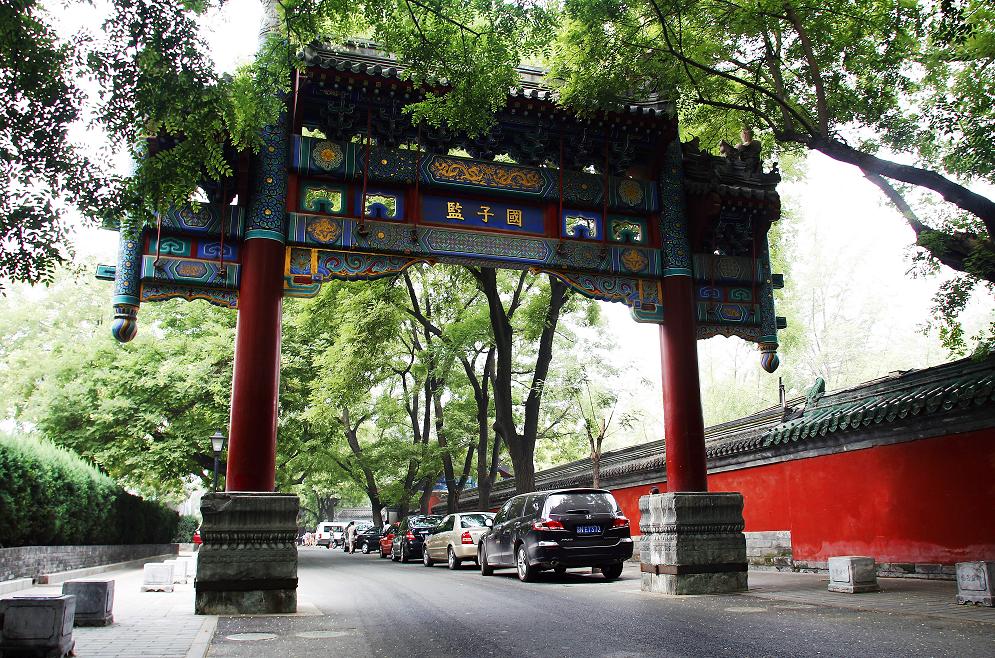
The hutong trees matter especially. Scholar trees (槐树, huái shù) line Guozijian Street and scatter cream-coloured blossoms in late April. Ginkgos (银杏, yínxìng) turn the lanes around Nanluoguxiang a deep yellow in mid-October. Pomegranate trees (石榴树, shíliú shù) show red fruit through open gates from September onward — planted for centuries as symbols of family abundance. None of this appears in an itinerary. Yet all of it is the experience.
Best Time to Visit Beijing Hutong in Spring (Late March to Mid-May)
Spring arrives in Beijing’s hutongs in stages. Late March brings the first visible colour after winter: the willow trees along Houhai lake turning pale green. Moreover, scholar trees on Guozijian Street follow in mid-April, their small white flowers falling onto the flagstones and filling the air with a faint honey scent. Furthermore, Scholar trees lining many residential lanes join them by early May, carrying their scent on cool mornings before the traffic noise builds.
April offers the best hutong light of the year. At this low angle, the sun has not yet risen high enough to bleach colour from the grey tiles and brick. As a result, long shadows give every gate and courtyard wall a sculptural quality. Therefore, photographers who know Beijing plan their hutong shoots for April mornings.
What Spring in the Hutongs Feels Like
On a weekday morning in late April, the hutong sounds are layered. Brooms scrape flagstones. Meanwhile, coal briquette deliveries arrive by tricycle. At the same time, a birdcage hangs from a nearby branch, and the thrush inside sings in response to the outdoor birds. In addition, residents hang winter quilts over courtyard walls to air in the sun — an act so routine it becomes part of the visual texture of the lanes.
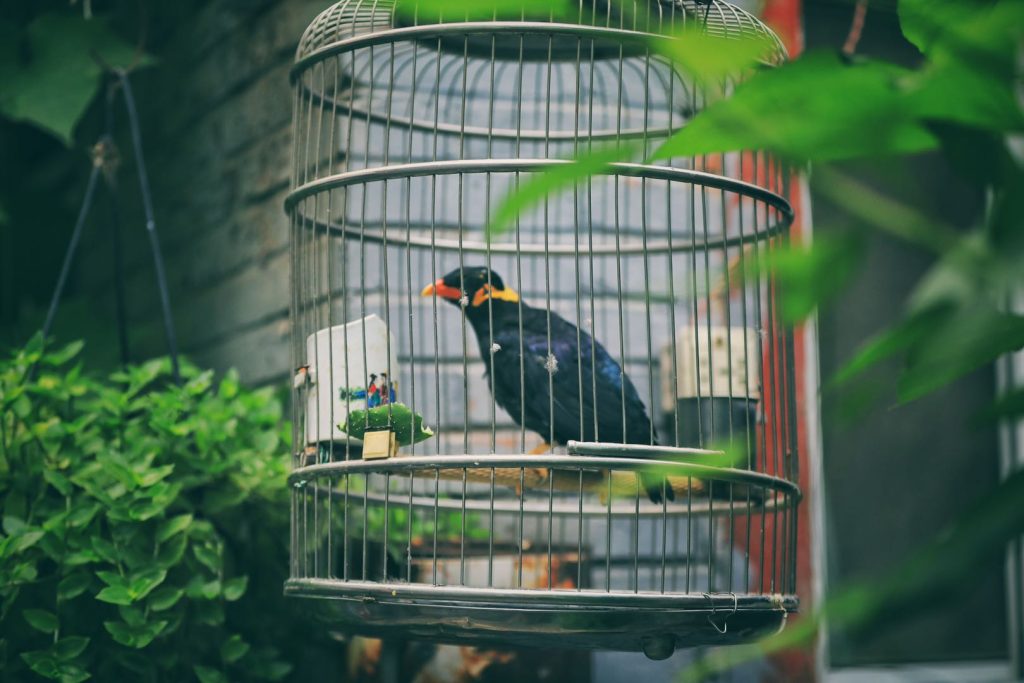
Children are back outside after winter. Similarly, elderly neighbours have reclaimed their doorstep chairs. Noticeably, the pace slows compared to the colder months, and the lanes feel inhabited rather than merely occupied.
Spring Events Near the Hutongs
Two events are worth timing a visit around. The Jingshan Park peony festival runs from late April to early May, a ten-minute walk from Nanluoguxiang — therefore well worth combining with a hutong walk. Additionally, the Ditan Park spring temple fair, near Guozijian Street, typically runs across the Labour Day holiday (around 1 May) with food stalls, folk performances, and the kind of crowd that makes early arrival essential.
Peak weeks: 20 April – 10 May. Scholar tree blossoms peak around 25–30 April.
Best Time to Visit Beijing Hutong in Autumn (Late September to Mid-November)
Autumn is the season most long-term Beijing residents cite as their favourite for hutong walking. Summer crowds have dispersed. The heat has lifted. Furthermore, air quality — which can be poor in July and August — typically improves with the arrival of northern winds in October. Most importantly, the trees have begun their most dramatic transformation of the year.
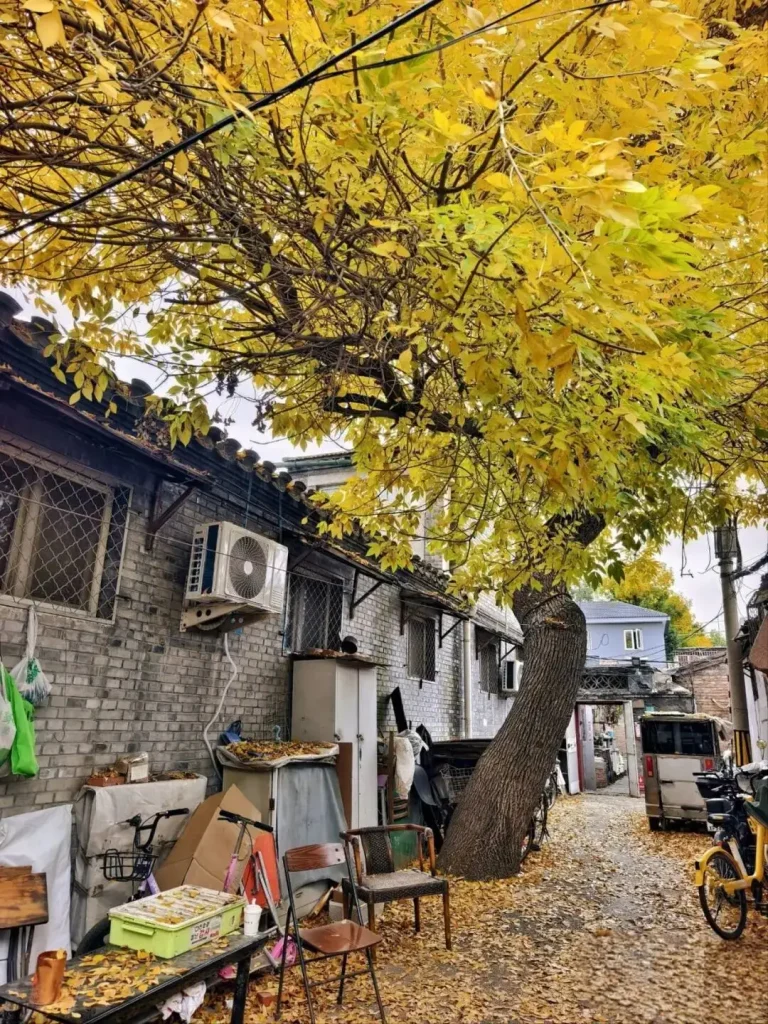
Ginkgo trees are the centrepiece. Indeed, Beijing has tens of thousands of them. For instance, the hutong districts contain some of the oldest, planted along Guozijian Street and the Shichahai lanes during the Ming and Qing dynasties. By mid-October, their fan-shaped leaves turn from green to a saturated, almost luminous yellow. When the wind blows, moreover, the leaves fall all at once, carpeting the flagstones with gold. Consequently, the smell of fallen ginkgo leaves — earthy, slightly sweet and entirely distinctive — stays with visitors long after they return home.
What Autumn in the Hutongs Feels Like
Notably, street food shifts in autumn — and if you want to experience these seasonal rituals the way locals do, living hutong life rather than just sightseeing shows you explains exactly how. Chestnut vendors appear in late September — charcoal braziers with blackened pans of sugar-roasted chestnuts (糖炒栗子, táng chǎo lìzi), the smoke and caramel smell drifting down lanes for thirty metres. Pomegranates also split open on branches, their red seeds visible through courtyard gates. Furthermore, sweet potato vendors arrive with oil-drum ovens, the smell of roasting sweet potato mixing with coal smoke on cooler evenings.
Furthermore, the quality of autumn light differs from spring: lower, warmer, and more golden. Afternoon light on grey tile roofs in October has a warmth that photographers describe as impossible to replicate artificially. As a result, shadows lengthen earlier, and the lanes empty after 5pm faster than in summer, giving the hutongs a quality of late-day stillness that feels genuinely different from busier months.
Autumn Events Near the Hutongs
The Beihai Park[2] chrysanthemum exhibition typically runs through October — thousands of chrysanthemum varieties around the lake and White Dagoba, a ten-minute walk from Nanluoguxiang. In addition, the Confucius Temple birthday ceremony at Guozijian Street, observed on 28 September every year, involves ritual music, costumed performers, and an atmosphere that standard sightseeing does not provide[1].
Peak weeks: 10–30 October. Ginkgo colour peaks around 15–20 October. The National Day holiday (1–7 October) brings significant crowds — wait until the second week of October for the best combination of colour and manageable visitor numbers.
What About Summer and Winter?
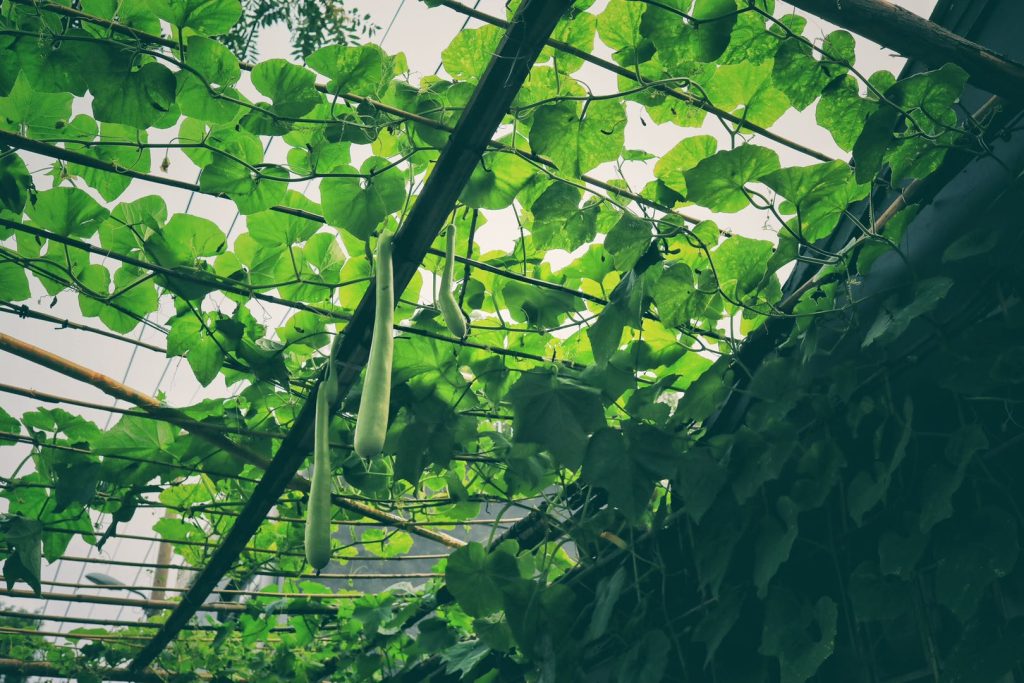
Beyond spring and autumn, summer (June to August) has its own character. Morning glory vines (牵牛花, qiānniú huā) climb over grey walls in purple and blue. However, July and August bring Beijing’s rainy season and hottest temperatures. That said, if you visit in summer, go before 8am or after 7pm, when residents bring chairs outside and the lanes take on a neighbourhood party quality.
Similarly, winter (December to February) is the quietest time in the hutongs. Fewer tourists, a slower pace, and bare branches reveal rooflines and gate structures that foliage hides in other seasons. After a light snow, the hutongs are therefore genuinely beautiful in a stripped-back way. The trade-off is cold temperatures and the absence of the outdoor social life that defines the hutong experience in warmer months.
Practical Tips for Seasonal Hutong Visits
Whatever season you choose, the hutong experience improves with timing. The lanes are quietest before 9am in any season. Tour groups, however, typically arrive after 10am. Moreover, in autumn and spring, the best light falls in the two hours after sunrise and the hour before sunset.
Finally, dress for the surface underfoot: hutong flagstones are uneven and can be slippery after rain or frost. Flat, comfortable shoes matter year-round — particularly in spring when flagstones are often damp from morning dew.
To plan which hutong neighbourhoods to visit in each season, see our guide to the best hutongs in Beijing. The cultural context that makes seasonal changes meaningful is covered in our the culture behind Beijing’s hutong lanes. For the history behind the trees and courtyards you will see, read our history of Beijing’s hutongs. To experience the hutongs through local eyes, see how to live hutong life, not just see it. For the stories behind the famous people who lived here, read the hutongs with famous residents.
Frequently Asked Questions
What is the best time to visit Beijing hutongs?
The best time to visit Beijing’s hutongs is late April to early May (scholar tree blossoms, cool mornings) or mid-October (ginkgo gold, chestnut vendors). Both offer comfortable temperatures and strong seasonal character. Avoid Labour Day (1–5 May) and National Day (1–7 October) for quieter lanes.
When do the ginkgo trees turn yellow in Beijing’s hutongs?
Ginkgo trees in Beijing’s hutong districts typically peak in colour around 15–20 October, though the exact timing shifts by a week or two depending on the year’s weather. Guozijian Street and the lanes around Shichahai have some of the oldest and most impressive ginkgo trees in the inner city.
Is summer a good time to visit the hutongs?
Summer is possible but requires careful timing. July and August bring heat and humidity to Beijing’s narrow lanes. The best summer hutong experience comes from early morning visits before 8am, or evenings after 7pm when residents bring chairs outside.
Are the hutongs crowded in autumn?
The National Day holiday (1–7 October) brings heavy crowds to popular hutong areas. For the best autumn colour with manageable visitor numbers, visit during the second or third week of October.
What seasonal food can I find in Beijing’s hutongs?
Autumn brings sugar-roasted chestnuts (糖炒栗子) and roasted sweet potatoes. Spring brings fresh seasonal vegetables at neighbourhood markets and outdoor breakfast stalls. Each season has its own street food character, and hutong food is one of the best reasons to visit at any time of year.
Planning a hutong visit? Whether you need a personalised itinerary, local recommendations, or help arranging your Beijing trip, we’d love to hear from you. Email us at hello@jollyeast.com and we’ll get back to you within 24 hours.
-sohu-1024x576.webp)